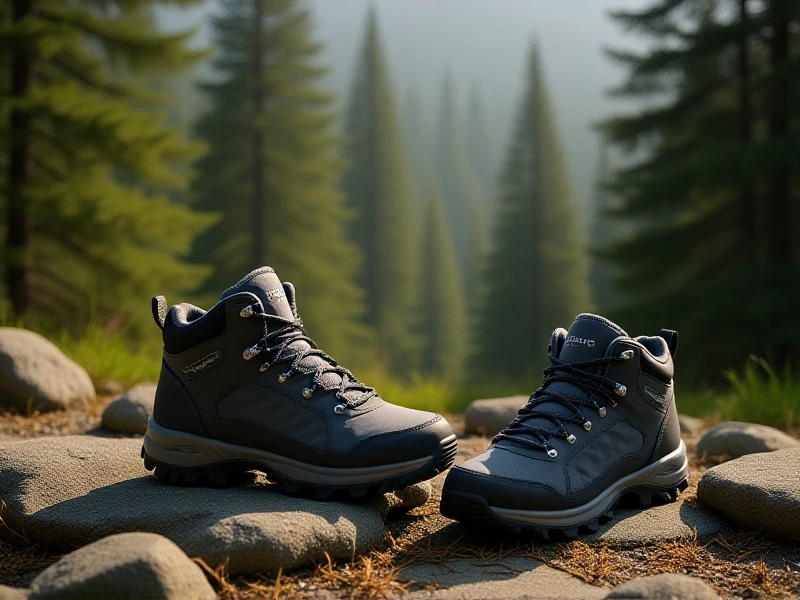
Find Your Trail: Choosing the Ultimate Hiking Shoes for Every Adventure
Let's face it: blistered heels and aching arches can ruin a breathtaking hike faster than a sudden downpour. Your everyday sneakers just don't cut it when the pavement ends. That's where hiking shoes become your essential trail companions, blending support, protection, and comfort for miles of adventure. But with so many options, finding your perfect pair can feel overwhelming. Here's your guide to navigating the terrain of hiking shoes.
Forget the one-size-fits-all approach. The best hiking shoes depend heavily on YOUR adventure style. Are you tackling rocky summits, meandering through forest paths, or crossing muddy riverbanks? For well-maintained trails and moderate loads, lightweight hiking shoes (often lower-cut than boots) offer fantastic agility and breathability. They're ideal scramblers and dry-trail favorites. Need more ankle support for rugged, uneven terrain with a heavier pack? Sturdy hiking boots provide that crucial stability – though they trade a little agility for it.
Fit is the absolute cornerstone. Unlike your gym shoes, hiking shoes should feel snug (not tight!) through the heel and midfoot, with ample space for your toes to wiggle freely, especially on descents. Always try them on with the hiking socks you plan to wear. Walk vigorously on an incline/decline simulator if the store has one. Be ruthless about eliminating heel slippage or squished toes – these minor irritations multiply agonizingly over distance.
Beyond fit, scrutinize the grip. Look for deep, multi-directional lugs made of quality rubber (like Vibram) to conquer loose gravel, slick rocks, and muddy slopes. Flexibility matters too; a stiffer sole excels on technical rock, while a more flexible one is comfy for long miles on smoother trails. Durability features like reinforced toe caps protect against stubs, and waterproof membranes (e.g., Gore-Tex) keep feet dry in wet grass or stream crossings – though they sacrifice some breathability in intense heat.
Hiking shoes need TLC. Clean off mud gently after hikes, let them air dry (NEVER by a heater!), and periodically renew their DWR water repellency. Replacing insoles every year refreshes cushioning and support wonderfully. Trying on pairs later in the day when feet are slightly swollen gives the best fit reality check.Hiking shoes are an investment in your comfort and safety outdoors. Don't rush the purchase. Prioritize precise fit for your foot shape and honest assessment of your typical terrain and distance. When your hiking shoes feel like natural extensions of your feet, allowing you to focus entirely on the path ahead and the wild beauty surrounding you, that’s when the true adventure begins. Ready to step comfortably onto your next trail? Slip on a pair designed for dirt.