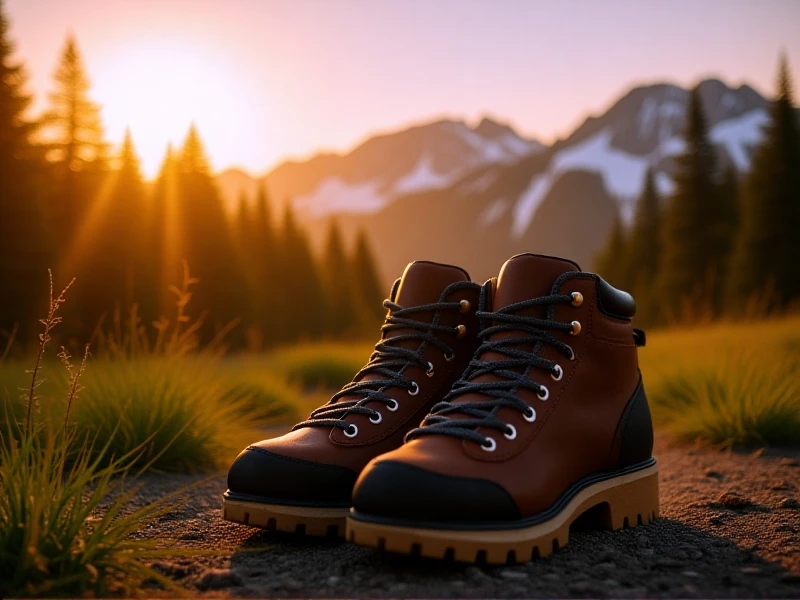
The Ultimate Guide to Choosing Your Perfect Pair of Hiking Shoes
Venturing into the wilderness demands reliable companions, and your feet deserve the best allies: hiking shoes. Unlike clunky boots or flimsy sneakers, quality hiking shoes strike the essential balance between lightweight comfort, aggressive traction, and dependable support, making them indispensable for day hikers and trail runners alike. Choosing the right pair isn't just about style; it's about safety, performance, and enjoying every step of your journey.
Why Hiking Shoes Outshine Alternatives: Traditional hiking boots offer ankle support for heavy backpacks but often feel cumbersome. Trail runners are light but may lack durability. Modern hiking shoes bridge this gap perfectly. They feature:
- Enhanced Traction: Outsoles with deep, multi-directional lugs (like Vibram® Megagrip) grip loose dirt, wet rocks, and muddy trails securely.
- Protective Midsoles: Cushioning absorbs shock on rocky terrain, while rock plates shield your feet from sharp impacts underfoot.
- Durable Yet Breathable Uppers: Water-resistant nubuck leather, tough synthetic meshes (like Cordura®), or seamless knit constructions provide abrasion resistance without sacrificing ventilation, keeping feet drier longer.
- Ankle & Arch Support: Structured midsoles and supportive footbeds ensure stability on uneven ground, reducing fatigue and preventing rolled ankles without the bulk of high-top boots. Look for models with stability shanks.
Key Features Defining Top-Performing Hiking Shoes:
- Traction is Everything: Aggressive lug patterns and sticky rubber compounds designed for varied surfaces are non-negotiable. Your safety on steep ascents and slippery descents depends on it.
- Fit is Paramount: Ill-fitting hiking shoes cause blisters and misery. Ensure ample toe room (wiggle space!), a secure midfoot lock (no heel slippage!), and good overall volume. Walk steeply downhill in the store if possible. Remember: size may differ from your regular shoes.
- Support & Protection: Assess your typical terrain and load. A supportive, semi-rigid midsole and a protective toe cap add confidence on technical trails. Waterproof membranes (like Gore-Tex®) add warmth and dryness but sacrifice breathability – ideal for cool, wet climates; non-waterproof versions offer better airflow for hot, dry hikes.
- Material Durability & Weight: Hiking takes its toll. Reinforced high-wear zones extend your shoes' lifespan. While ultralight models are tempting, ensure durability isn't sacrificed for mere grams.
Finding Your Ideal Match:
- Trail Type: Smooth paths? Prioritize cushioning. Rocky scrambles? Need robust protection and grip. Muddy trails? Seek deep, self-cleaning lugs.
- Distance & Pack Weight: Day hiking with a light pack often favors lighter, more flexible shoes. Consider stiffer midsoles if carrying more weight.
- Personal Preference: Some hikers love a zero-drop feel (like Altra), others prefer moderate heel cushioning. Know your stride and comfort needs.
Popular Hiking Shoe Categories:
- Lightweight Trail Hikers: Excellent for day hikes on maintained trails (e.g., Merrell Moab, Salomon X Ultra).
- Approach Shoes: Firmer, stickier soles for tackling rock sections and scrambling.
- Water-Hiking Shoes: Fast-draining uppers and grippy soles optimal for wet environments or stream crossings.
Invest Wisely, Hike Happily Ultimately, the best hiking shoes are the ones that disappear on your feet – allowing you to focus solely on the beauty of the trail, not the discomfort within your boots. Ignore the miles because your feet are secure and supported. Visit a reputable outdoor retailer, try on several leading hiking shoe brands, walk rigorously, and find the pair that feels like your perfect trail extension. Your next adventure awaits – step confidently into it. What trail will your new hiking shoes conquer first?